Skip to content
Farrell Cohen Physiotherapy

Treatment Modalities

The methods we use, chosen for your condition

Modalities are selected after assessment and combined into a plan. Your physiotherapist will explain anything used in your treatment beforehand.

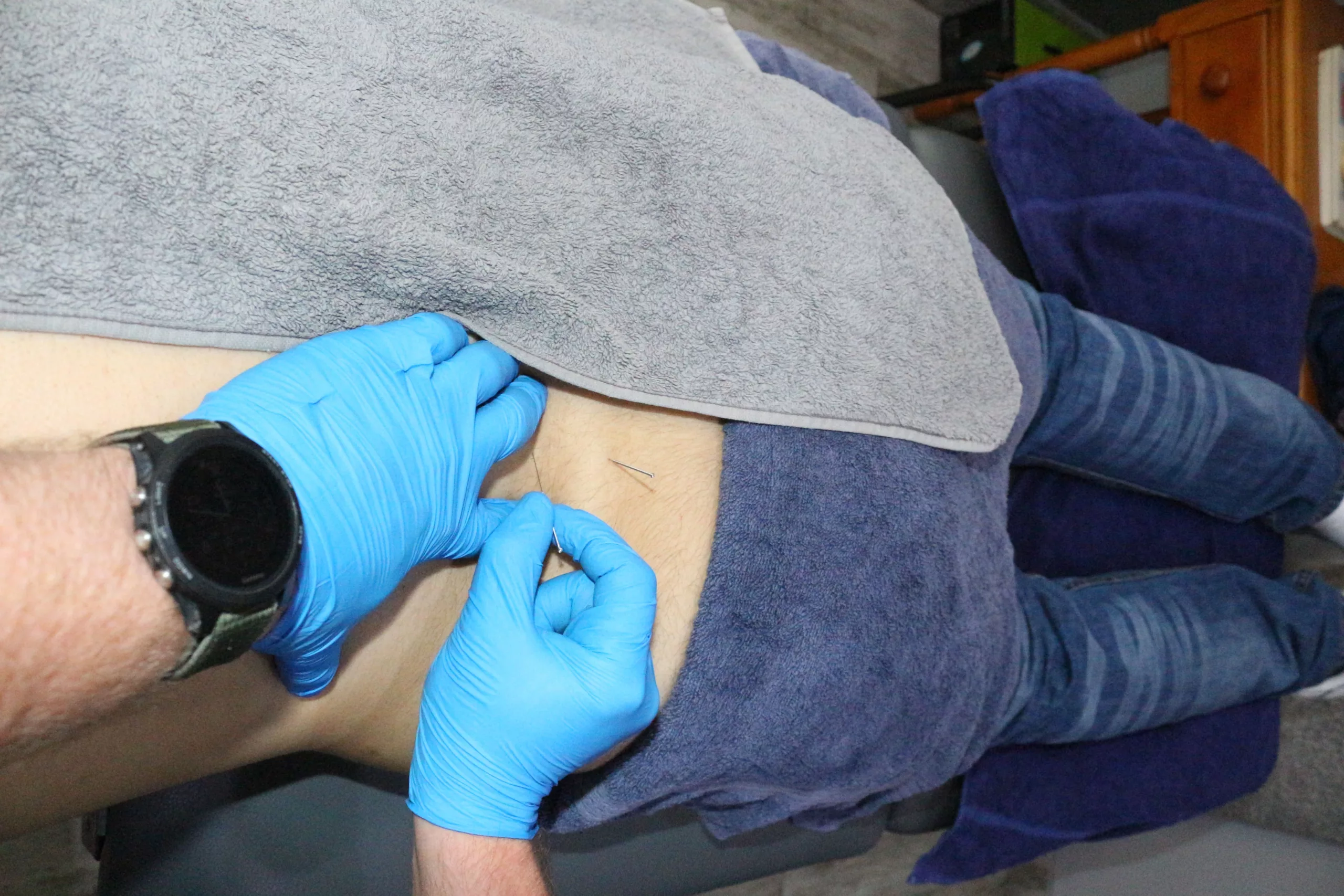
Dry Needling

Dry Needling

Fine needles used to address tight, tender points in muscle tissue.

Dry needling uses fine, sterile, single-use needles placed into tight or tender bands of muscle. It is used as part of a wider treatment plan alongside manual therapy and exercise, and is always explained and consented to before it is used.
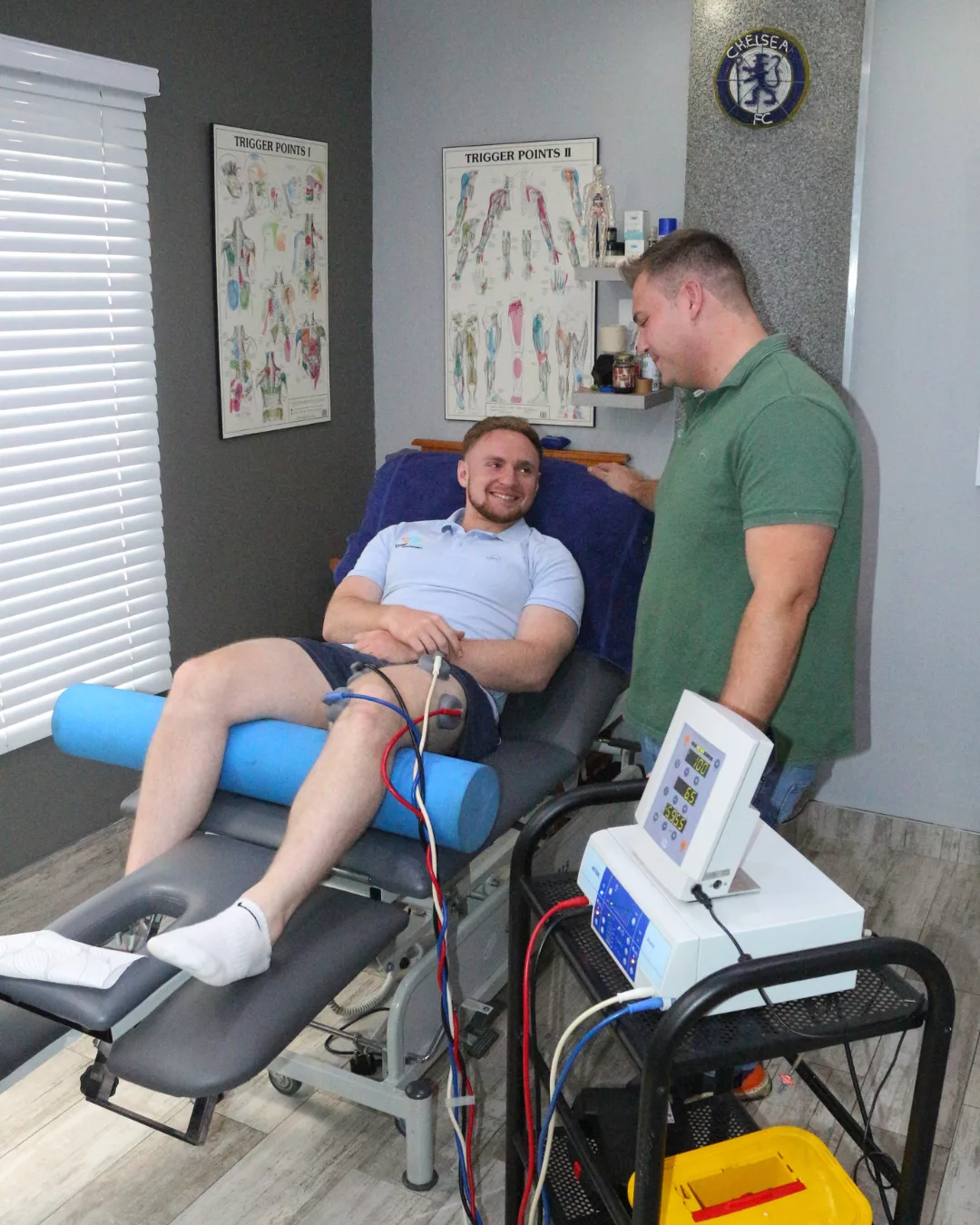
Electrotherapy

Electrotherapy

Clinic-based modalities used to support symptom relief and tissue recovery.

Electrotherapy describes a group of clinic-based modalities that may be used to support pain relief and tissue recovery. It is applied selectively where clinically appropriate and never as a treatment on its own.

Exercise Therapy

Exercise Therapy

Prescribed, progressive exercise to restore strength, control and confidence.

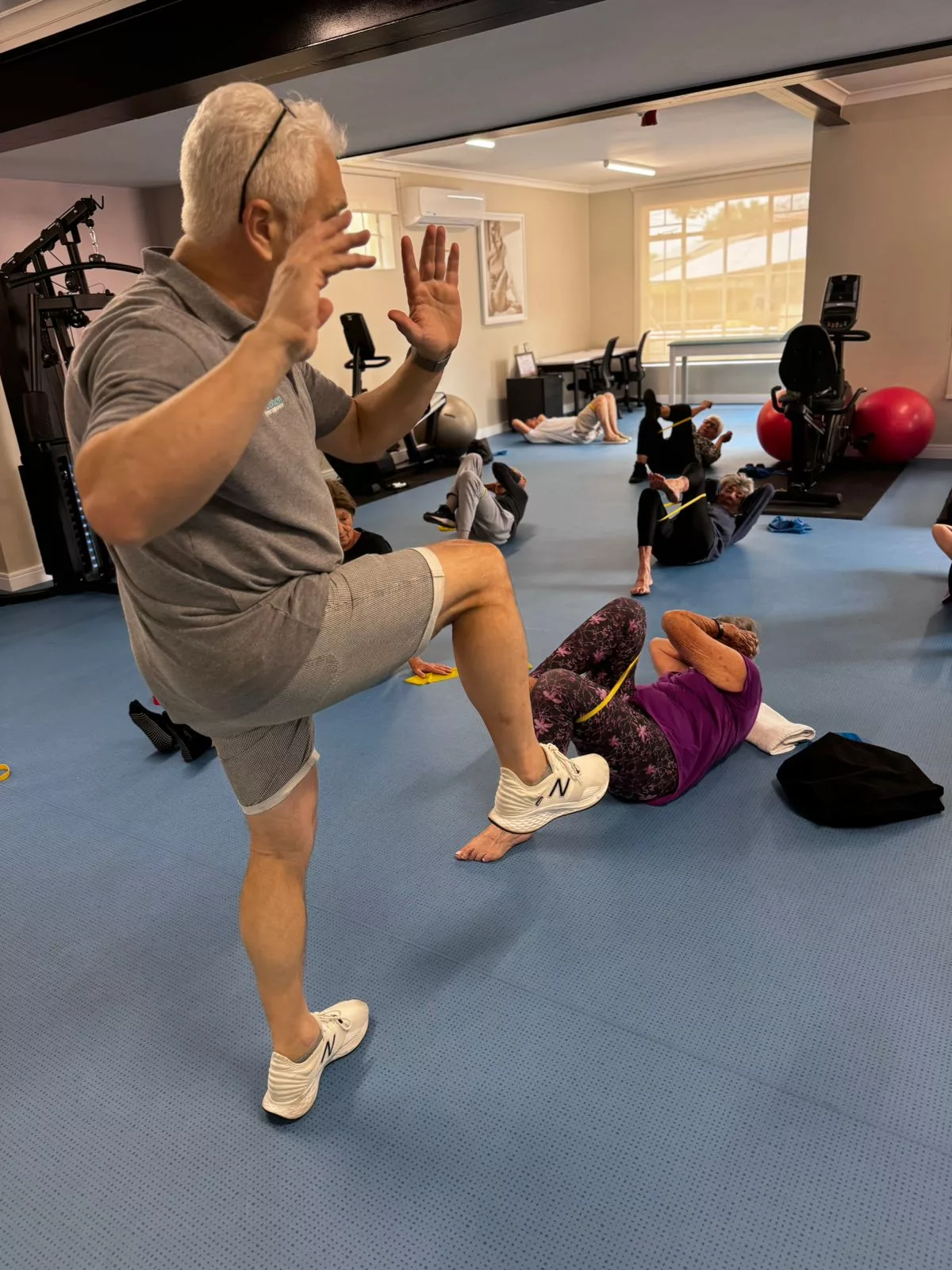
Exercise therapy is central to most rehabilitation plans. Exercises are selected for your specific presentation, taught in the practice and progressed as your capacity improves, with a home programme to continue between appointments.

Manual Therapy

Manual Therapy

Hands-on joint and soft-tissue techniques to improve movement and ease pain.

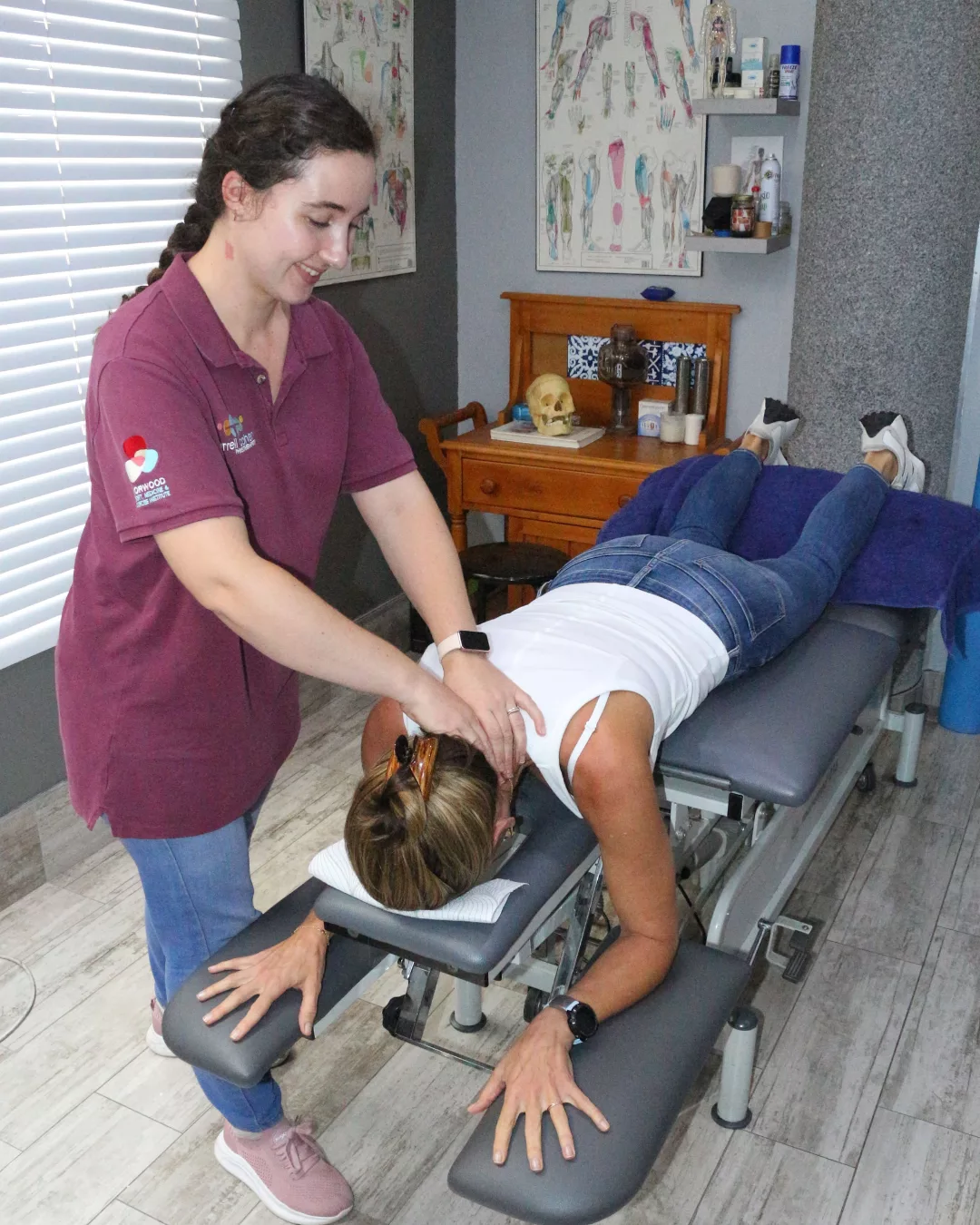
Manual therapy includes hands-on joint mobilisation and soft-tissue techniques used to improve movement and reduce discomfort. It is generally combined with active rehabilitation so that gains are maintained.

Mat Pilates Rehabilitation

Mat Pilates Rehabilitation

Controlled floor-based Pilates work adapted for rehabilitation.

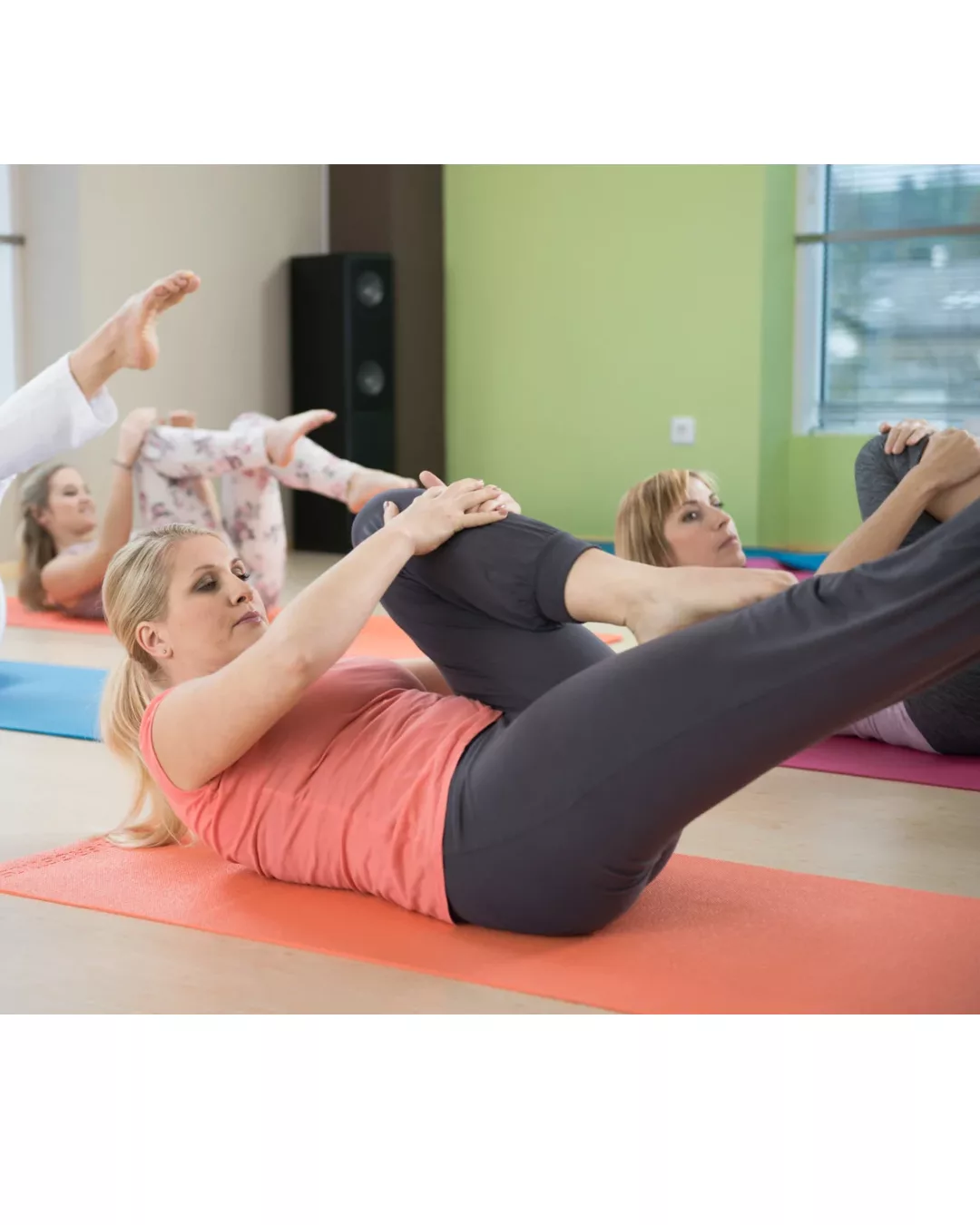
Mat Pilates rehabilitation uses controlled, low-load movement to develop core control, mobility and body awareness. Exercises are adapted to your condition and stage of recovery.

Reformer Pilates Rehabilitation

Reformer Pilates Rehabilitation

Spring-assisted equipment work for graded, supported loading.

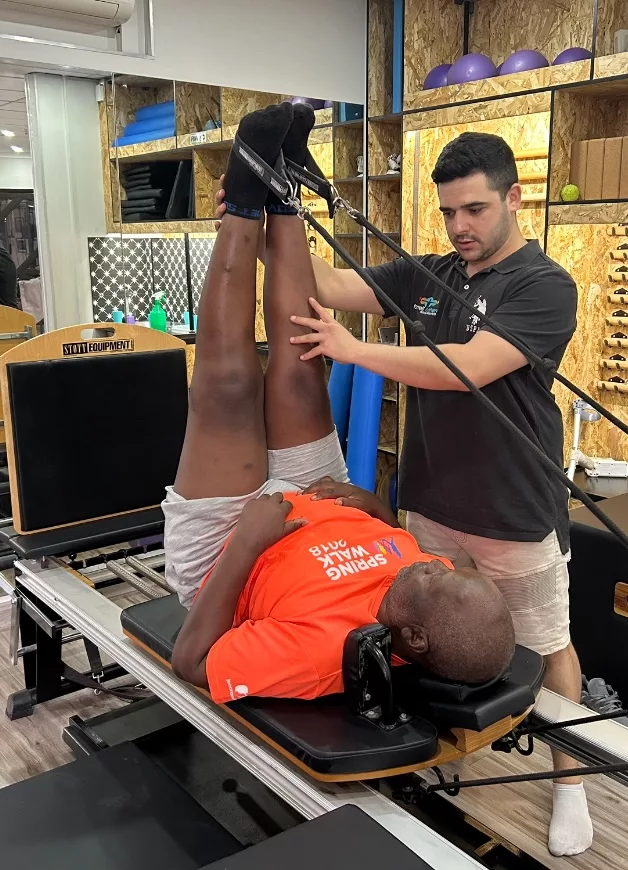
Reformer Pilates uses spring resistance to support or challenge movement, which makes it useful for graded loading during rehabilitation. Sessions are supervised and prescribed by a physiotherapist.

Respiratory & Chest Physiotherapy

Respiratory & Chest Physiotherapy

Techniques to assist breathing efficiency and airway clearance.

Respiratory and chest physiotherapy uses positioning, breathing techniques and airway-clearance methods to assist patients with chest congestion or reduced breathing efficiency, including after surgery or illness.

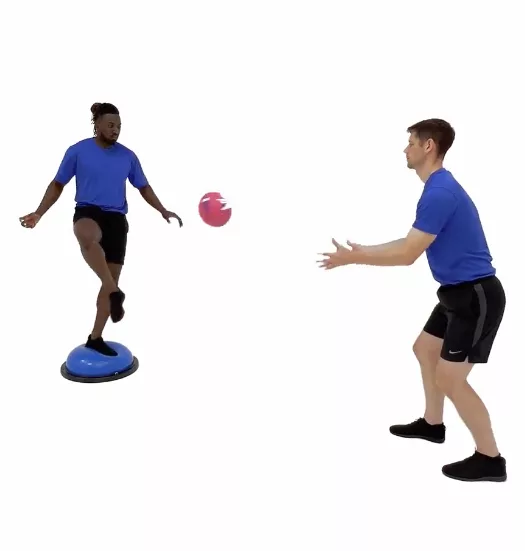
Return-to-Sport Rehabilitation

Return-to-Sport Rehabilitation

Staged rehabilitation bridging the gap between clinic and competition.

Return-to-sport rehabilitation progresses from restoring basic capacity through to sport-specific loading, change of direction and match or race demands, with clear criteria at each stage.

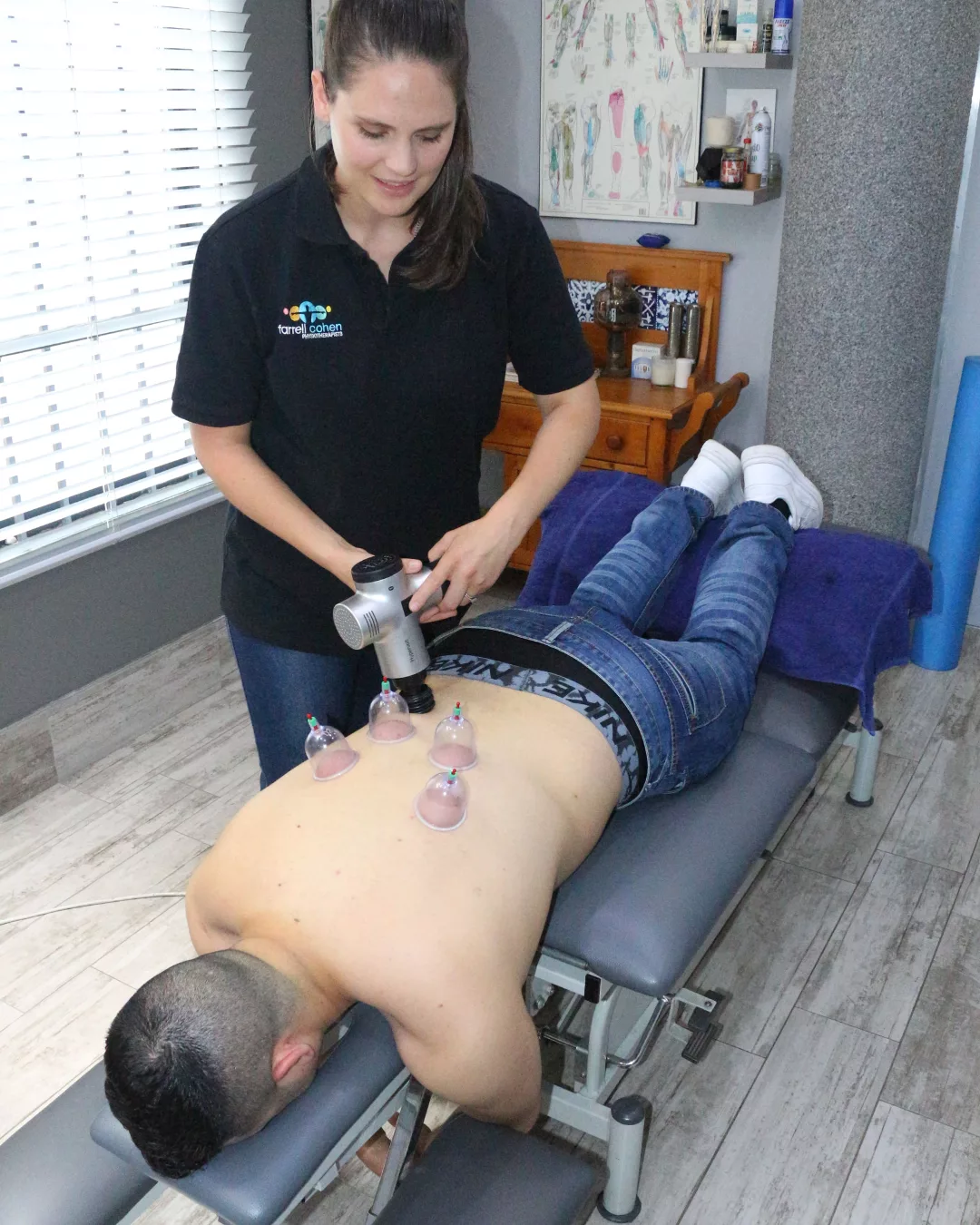
Soft Tissue Therapy

Soft Tissue Therapy

Targeted soft-tissue techniques for muscular tension and restriction.

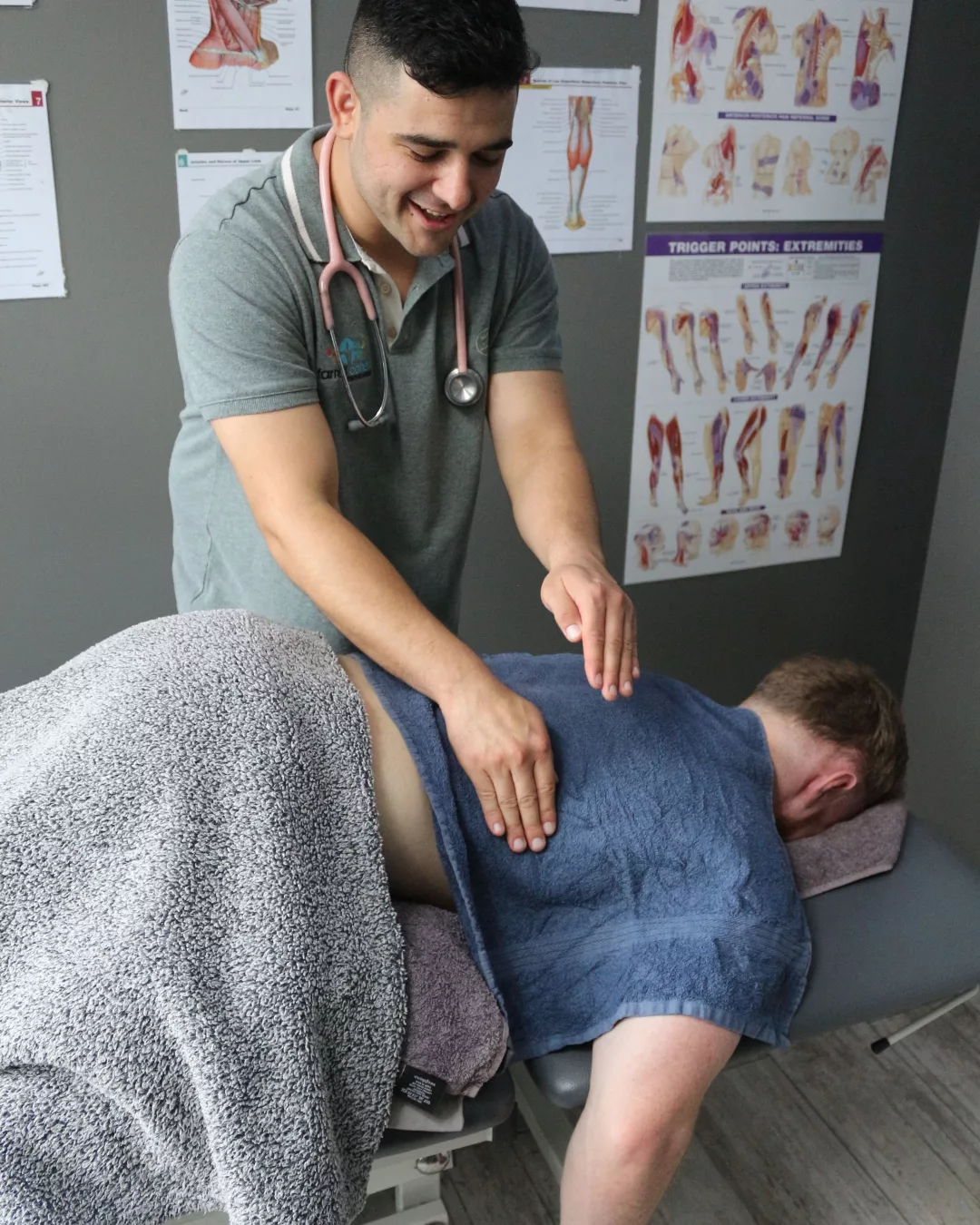
Soft tissue therapy addresses muscular tension and restriction using targeted hands-on techniques, often to prepare an area for movement or to relieve discomfort within a broader plan.

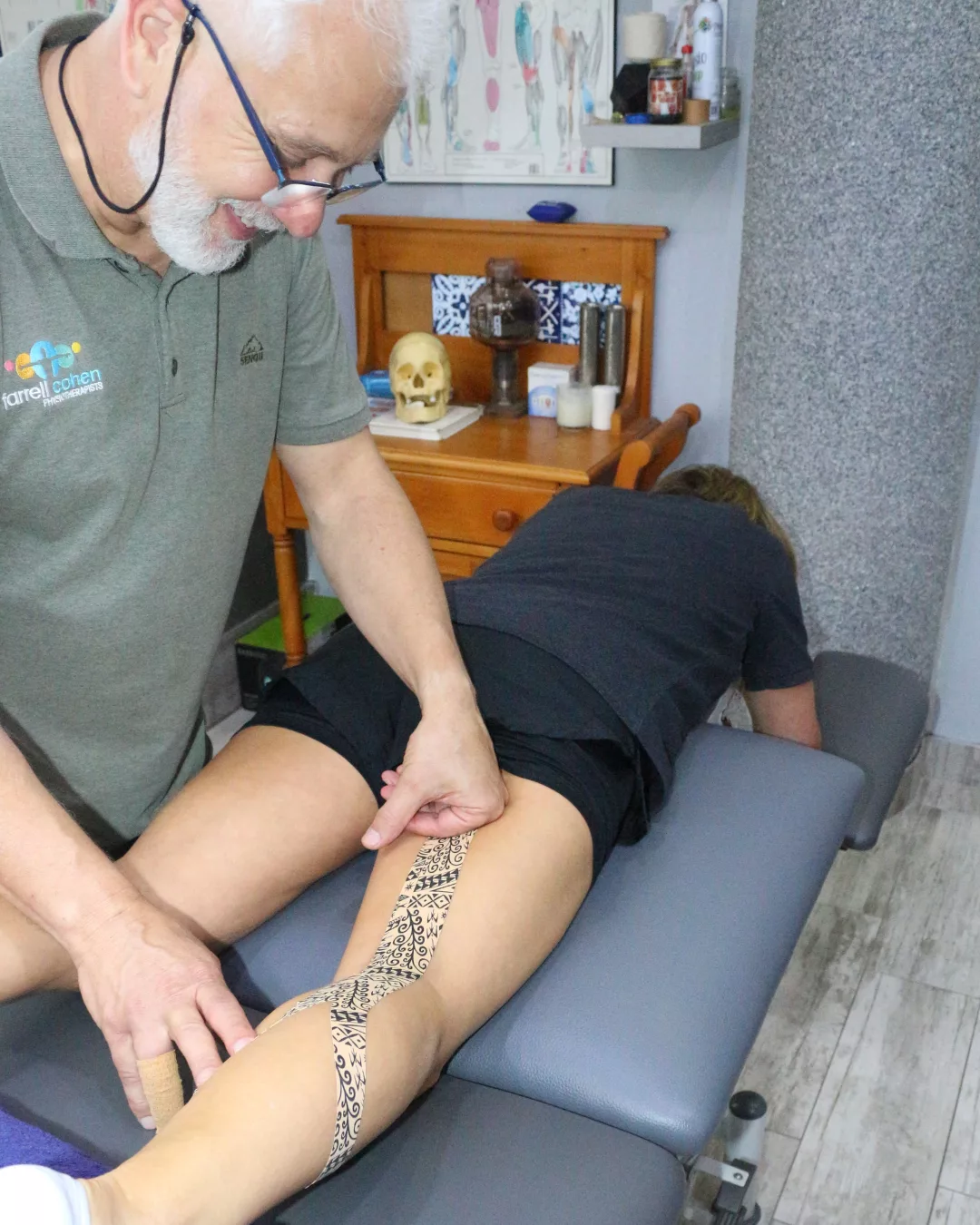
Taping & Strapping

Taping & Strapping

Support and offloading strategies for training, competition and daily activity.

Taping and strapping can be used to support a joint, offload irritated tissue or provide feedback during movement. Application is chosen for the specific injury and activity.

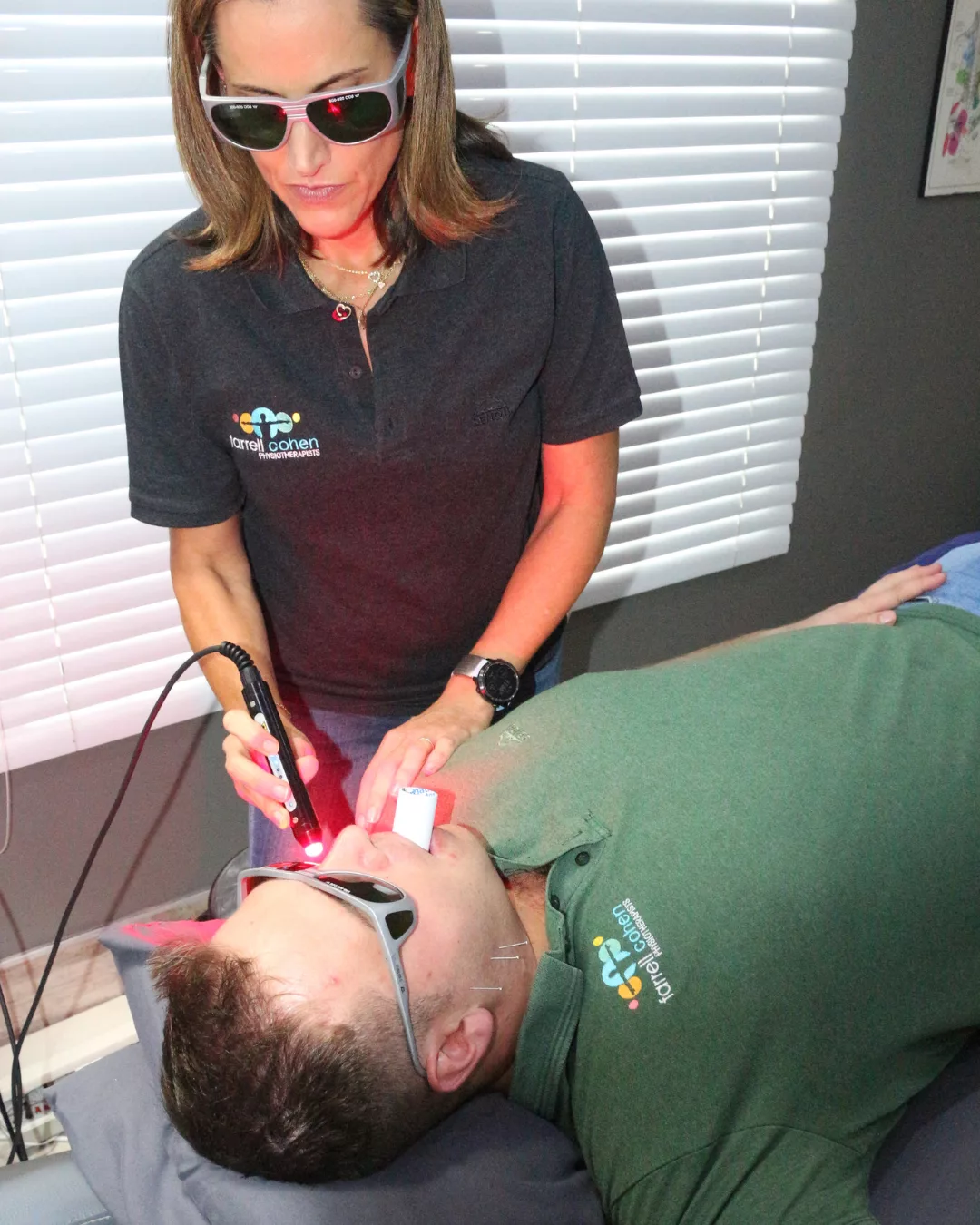
TMJ Treatment

TMJ Treatment

Assessment and treatment of the jaw joint and surrounding muscles.

TMJ treatment addresses the jaw joint and surrounding musculature, and may include manual techniques, soft tissue work and advice on habits such as clenching that contribute to symptoms.

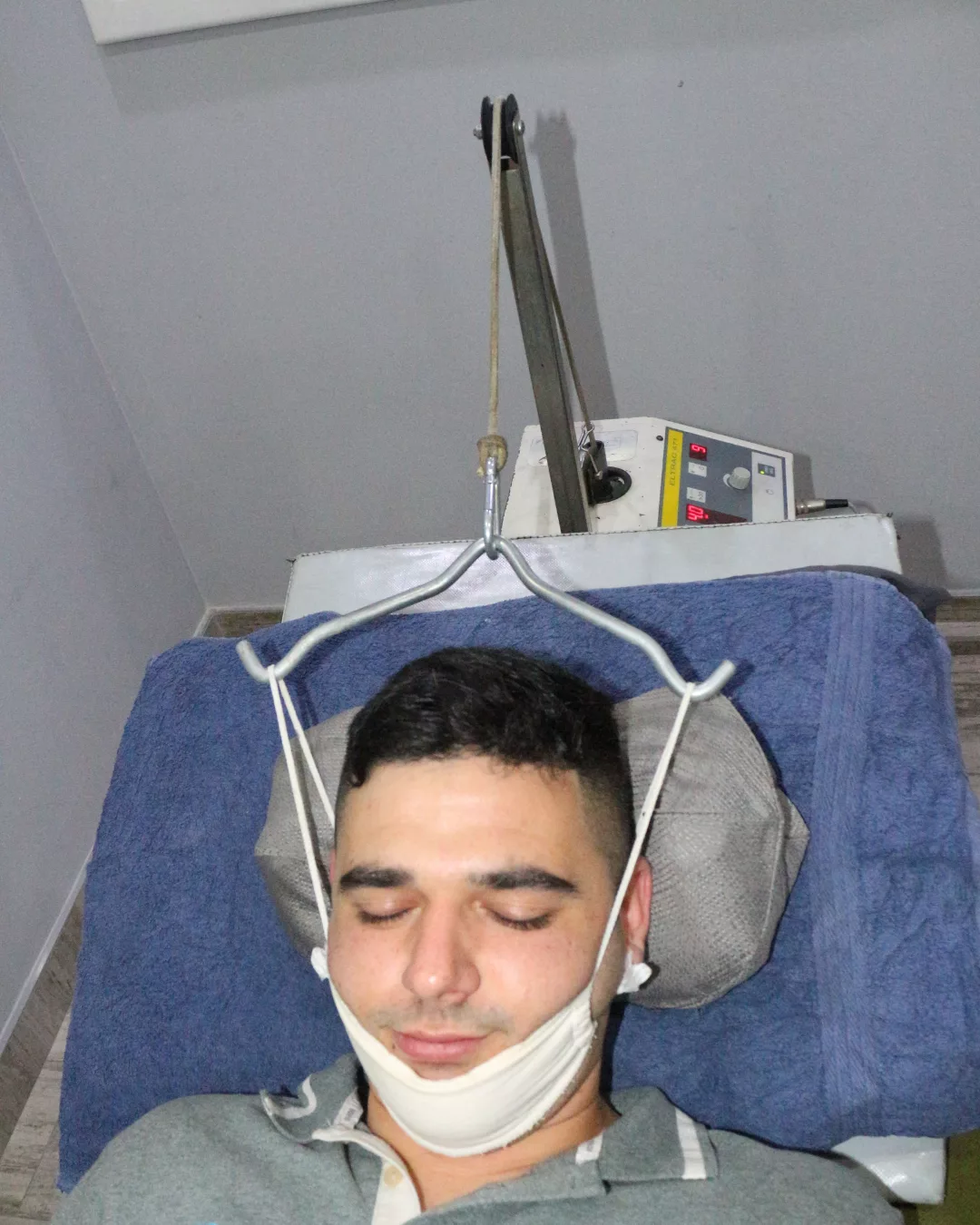
Traction Table

Traction Table

Mechanical traction used selectively for spinal presentations.

The traction table applies controlled mechanical traction to the spine. It is used selectively, where the clinical assessment indicates it may help, and alongside active rehabilitation.

BookWhatsApp