
The Importance of Proper Bike Fitting for Injury Prevention and Performance
Why the fit between rider and bicycle matters for comfort, injury risk and sustainable performance.
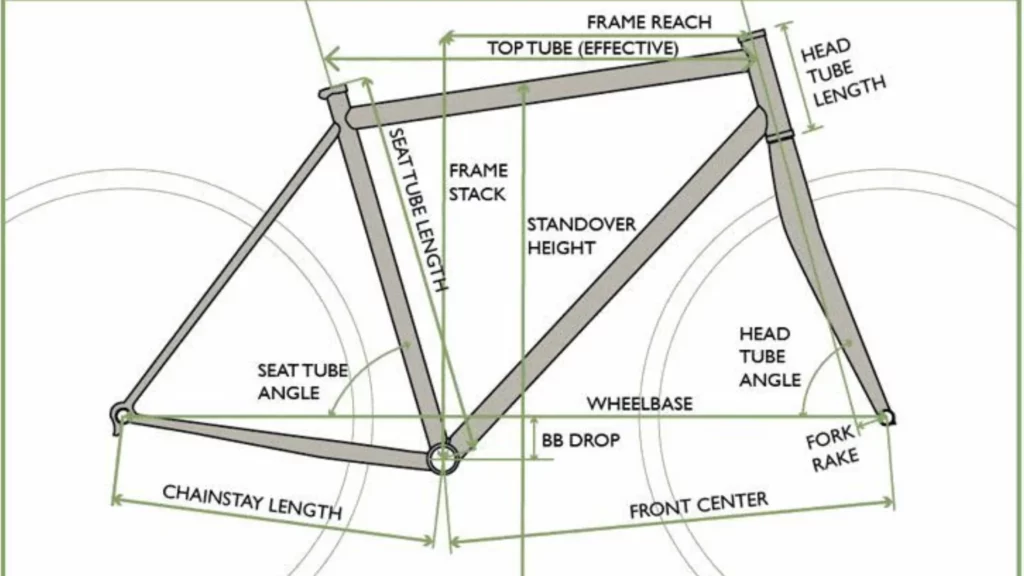
This is a concise summary prepared for the new website. The full original article text will be inserted in the next content pass.
A bicycle is ridden in a fixed, repetitive position for hours at a time. Small mismatches between the rider and the machine are therefore repeated thousands of times per ride, which is why fit is a recurring theme in cycling-related physiotherapy consultations.
What a bike fit considers
- Saddle height, setback and tilt
- Reach to the handlebars and bar height
- Cleat position and foot alignment
- Crank length and pedalling mechanics
- Your own mobility, flexibility and riding history
Comfort and injury risk
Riders commonly report knee pain, low-back discomfort, neck and shoulder tension, or numbness in the hands and feet. These complaints often have a fit component alongside training load and technique.
Adjusting position is rarely enough on its own. Where a rider lacks the mobility or strength to hold a position comfortably, addressing that alongside the fit gives a more durable result.
Performance
A position that is comfortable and sustainable allows a rider to stay in it for longer and to produce power more consistently. Fit is best treated as one input among training, recovery and technique rather than a shortcut to performance.
When to seek assessment
If you experience recurring pain on the bike, are increasing your training volume, or have changed bicycles or components, an assessment is worthwhile. Persistent or worsening pain should always be assessed individually.
This article is general information and is not individual medical advice. If you have pain or an injury, please arrange an assessment.